
The Wilson Evo NXT is a highly regarded basketball engineered specifically for high-level indoor play. If you are considering using this premium ball on the rough, unpolished concrete courts commonly found across the Philippines, you should expect rapid wear and a significant reduction in its lifespan. The ball’s advanced composite leather cover is optimized for clean, indoor hardwood surfaces, meaning the abrasive friction of outdoor barangay courts will quickly degrade its texture, peel its seams, and ruin its signature grip.
While the temptation to bring a top-tier indoor ball to an outdoor pickup game is understandable, doing so represents a costly mismatch between equipment design and playing environment. Spending upwards of ₱4,000 on a premium game ball only to have it degrade within a few weeks on rough concrete is a common frustration for local players. Understanding how the materials of the Wilson Evo NXT react to local outdoor conditions will help you protect your investment and choose the right gear for your specific playing venue.
Understanding the Wilson Evo NXT Cover Material
Before taking any basketball to an outdoor court, you must verify its intended playing surface by checking the manufacturer’s official packaging, product labels, or embossed stamps on the ball itself. Manufacturers explicitly classify basketballs into categories such as “Indoor Only,” “Indoor/Outdoor,” or “Outdoor.” The Wilson Evo NXT is officially designated as an indoor game ball, a classification that dictates the specific engineering of its outer cover and internal construction.
Products mentioned in this guide
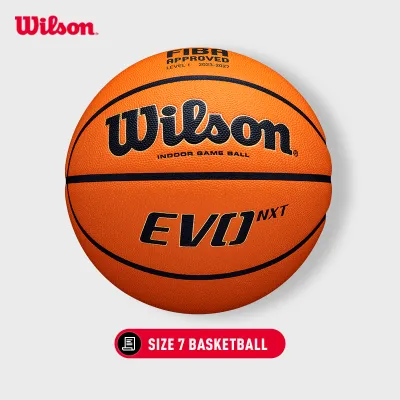
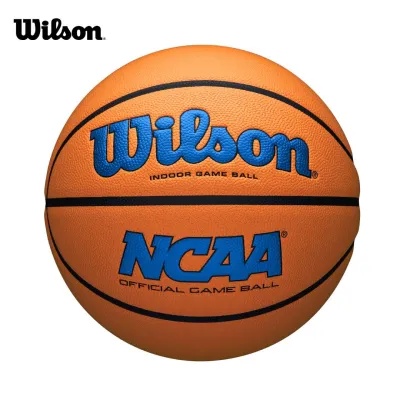
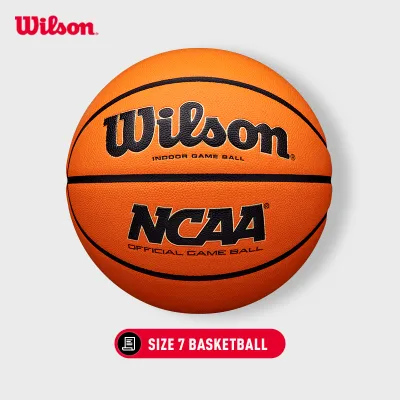
Prices are valid at publication and may change. Please refer to the product page for the latest price.
Unlike solid rubber basketballs designed to withstand heavy friction, or genuine leather balls that require a lengthy break-in period, the Evo NXT utilizes a high-tech composite leather cover. Composite leather is a synthetic material engineered to mimic the soft feel and grip of genuine leather from the very first bounce, without the stiffness. This material consists of a polyurethane or micro-fiber layer bonded to a backing fabric, which is then wrapped around the ball’s internal rubber bladder and nylon windings.
The surface texture of the Evo NXT features a specialized pebble grain density and deep, composite-laid channels. These features are specifically engineered for moisture management, helping to channel sweat away from the player’s hands to maintain a consistent grip during intense indoor games. However, this soft, moisture-wicking texture relies on a delicate surface structure that is highly vulnerable to physical abrasion.
Concrete Court Abrasion: What to Expect
Outdoor basketball courts in the Philippines, ranging from local neighborhood barangay courts to schoolyards, are typically constructed from unfinished or painted concrete. These surfaces act like high-grit sandpaper against any basketball. When a composite leather ball like the Evo NXT impacts rough concrete during dribbling, passing, and shooting, the friction shears away the microscopic fibers of the outer polyurethane layer.

Over a short period of outdoor use, you will observe distinct visual and tactile signs of premature wear. The first sign is usually the smoothing of the pebble grain, particularly in high-contact areas where your fingers grip the ball. As the pebbles wear down, the cover loses its texture and becomes slick. This is often followed by cover separation or peeling at the seams, where the edges of the composite panels meet the rubber channels, as the abrasive concrete grinds away the adhesive bonding.
Furthermore, outdoor courts are constantly exposed to environmental elements, including fine dust, sand, and road debris. This loose grit acts as an additional abrasive agent. When the ball rolls across a dusty concrete court, the dust particles embed themselves into the soft composite cover, accelerating the physical breakdown of the material every time the ball is bounced or caught.
Evaluating Grip and Bounce on Rough Surfaces
The immediate consequence of playing with an indoor composite ball on a dusty outdoor court is a severe loss of grip. Concrete dust and fine dirt quickly fill the deep channels and the spaces between the pebble grains. Because the Evo NXT’s cover is designed to absorb and manage moisture, it can actually attract and hold onto fine dust, turning the once-tacky surface into a slippery, hard-to-control object that easily slips out of your hands during a shot or pass.
In addition to grip issues, the tropical climate of the Philippines introduces extreme temperature fluctuations and intense direct sunlight. Leaving a basketball on hot concrete or playing under the midday sun causes the air inside the butyl bladder to expand, which can temporarily alter the ball’s bounce consistency and increase internal pressure. Over time, repeated exposure to high heat can weaken the bladder and the nylon windings, leading to warping or lumps on the ball’s surface.
To ensure safe play and monitor the condition of your equipment, you should perform a quick pre-game checklist before every session. First, check the air pressure using a reliable pressure gauge to ensure it falls within the manufacturer’s recommended PSI range (typically printed near the inflation valve). Second, inspect the valve integrity by applying a small drop of water to see if air bubbles form, indicating a leak. Finally, wipe down the surface to remove any loose grit before you start playing.
Maintenance and Lifespan Expectations for Outdoor Use
If you choose to use a composite leather basketball outdoors, regular maintenance is essential to prolong its usable life, though it will still wear out much faster than it would indoors. After every outdoor session, you must clean the ball to remove embedded concrete dust. Use a soft microfiber cloth dampened with lukewarm water and a tiny drop of mild dish soap to gently wipe the surface. Avoid scrubbing aggressively, as this can further strip the delicate composite layer.
Never use harsh household chemicals, solvents, or abrasive brushes, as these will chemically degrade the polyurethane cover and dissolve the adhesives holding the panels together. Additionally, never soak or submerge the basketball in water, as moisture can seep through the valve or the seams, damaging the internal windings and causing the ball to lose its shape.
Proper storage is equally critical for preserving the ball’s structural integrity. Store your basketball in a cool, dry indoor space away from direct sunlight, high humidity, and extreme heat, such as the trunk of a car or an outdoor utility shed. To evaluate the remaining usable life of your ball, look for structural indicators rather than relying on a calendar timeline. If the cover has worn down to the smooth backing fabric, or if the panels are peeling away to expose the black rubber carcass beneath, the ball has reached the end of its functional life and should be replaced for safety and performance.
Choosing the Right Ball for Heavy Outdoor Play
For players who spend most of their time on outdoor concrete courts, selecting a basketball specifically engineered for those conditions is a much more practical and cost-effective decision. Basketballs generally fall into three categories based on cover material: solid rubber, outdoor-specific composite, and premium indoor composite. Solid rubber balls offer the highest level of durability against concrete abrasion and are highly resistant to moisture and dirt, making them the standard choice for rugged outdoor play.
High-performance outdoor composite balls bridge the gap by offering a softer feel than rubber while utilizing a much tougher, abrasion-resistant synthetic compound designed to withstand concrete. If you play multiple times a week on unpainted concrete or rough asphalt, a dedicated rubber ball or a heavy-duty outdoor composite ball is highly recommended to avoid destroying an expensive indoor ball within a few weeks.
When shopping for an outdoor-specific basketball, look for features designed to handle rough environments. These include extra-deep channels that help maintain grip even when the ball is dusty, wider seams that resist peeling, and thick, reinforced rubber covers. Investing in a dedicated outdoor ball ensures you get consistent performance and durability, while saving your premium indoor balls like the Wilson Evo NXT for the hardwood.
Frequently Asked Questions (FAQ)
Can I use the Wilson Evo NXT on wet outdoor courts?
No, you should avoid using the Wilson Evo NXT on wet outdoor courts. The composite leather cover is designed to absorb moisture to manage sweat indoors, meaning it will absorb rainwater or puddles on an outdoor court. This water absorption increases the ball’s weight, ruins its balance, and weakens the adhesives holding the cover panels, leading to rapid peeling and warping. If the ball does get wet, dry it immediately with a clean towel and let it air dry completely in a shaded, well-ventilated indoor area; never use a hair dryer or leave it under direct sunlight to dry.
How do I clean concrete dust off the basketball?
To clean concrete dust off your basketball, wipe the surface gently with a soft microfiber cloth dampened with lukewarm water and a mild, diluted dish soap. Gently wipe along the channels and across the pebbled panels to lift away the dirt without scratching the composite material. Once clean, wipe the ball down with a second cloth dampened only with clean water to remove any soap residue, then dry it thoroughly with a clean towel before storing it in a cool, dry place. Never use abrasive scrubbers, bleach, or chemical solvents, as these will permanently damage the cover.

Community discussion
Share your experience or ask a question. Comments are reviewed before publication.