
Choosing the right basketball depends heavily on where you play, how often you train, and your personal handling preferences. The Wilson Evolution stands out as a premier composite leather basketball engineered specifically for indoor hardwood courts, offering a soft feel and moisture-wicking grip that serious players prefer. However, if your typical game takes place on outdoor concrete, or if you need a budget-friendly option for casual recreational play, other basketballs designed for high-abrasion surfaces will serve you much better.
To make the best investment for your game, you must balance the premium feel of indoor composite leather against the rugged durability required for outdoor courts. Evaluating your playing environment, budget, and skill level will guide you to the ball that elevates your performance without wearing out prematurely.
Understanding the Wilson Evolution's Core Design
The Wilson Evolution is widely recognized for its distinct, cushioned feel, which is achieved through a specialized microfiber composite leather cover. This material mimics the softness of genuine leather while offering immediate consistency right out of the box. Underneath the cover, a cushioned core carcass provides a softer feel compared to traditional, rigid basketballs, making it highly responsive during dribbling and shooting.
Products mentioned in this guide
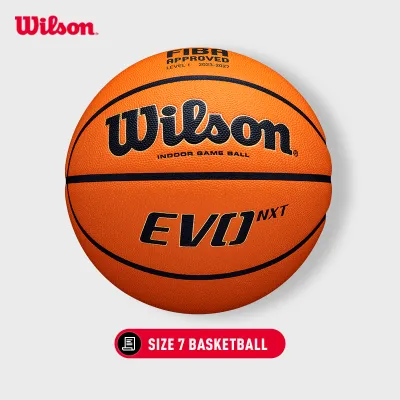
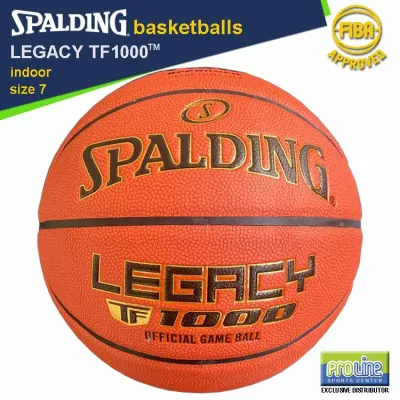
Prices are valid at publication and may change. Please refer to the product page for the latest price.
One of the defining features of this ball is its moisture-wicking composite channels. During intense games, sweat can make a basketball slippery and difficult to control. The Evolution’s channels are designed to absorb moisture from players’ hands, helping to maintain a secure grip even in warm, high-intensity playing conditions. This feature is particularly valuable for players who rely on precise ball handling and quick releases.
However, this premium construction is intended strictly for indoor hardwood or high-quality synthetic courts. The soft composite leather is highly susceptible to scuffs, tears, and rapid wear if it comes into contact with abrasive surfaces like asphalt or concrete. Using this ball outdoors will quickly degrade the outer cover, stripping away the grip and ruining the cushioned feel.
While the ball is designed to feel excellent quickly, it still benefits from a brief break-in period. Fresh out of the box, the composite leather may feel slightly slick to some players, but regular indoor use allows the material to soften and adapt to the natural oils of your hands. The ball is available in standard official specifications, including Size 7 (29.5 inches) for adult male play and Size 6 (28.5 inches) for intermediate and female play, ensuring compatibility with standard league regulations.
Key Comparison Factors for Choosing a Basketball
When comparing the Wilson Evolution to other basketballs on the market, the first and most critical factor is court surface compatibility. Indoor hardwood and polished synthetic courts provide a smooth, clean surface that preserves soft materials. Outdoor courts, such as concrete, asphalt, or rough cement, require a ball with a much tougher exterior that can withstand constant friction and impact without peeling.

This brings us to the trade-offs between different basketball materials. Premium composite leather offers the best balance of grip, softness, and control, but it lacks the durability needed for outdoor environments. Polyurethane (PU) composite covers are often formulated to be slightly tougher, making some of them suitable for both indoor and outdoor use. Rubber, on the other hand, is highly durable and affordable, making it the standard choice for outdoor streetball, though it lacks the soft, cushioned feel of composite leather.
Seam design and channel depth also play a major role in how a ball handles. Deep, recessed channels allow your fingertips to find natural leverage points, which is essential for generating backspin on shots and maintaining control during crossovers. Some players prefer the deep, distinct channels of the Evolution, while others prefer flatter, more traditional seams found on other classic game balls. Your preference here will depend on your shooting form and hand size.
Finally, consider the price-to-value ratio based on your playing frequency. Premium indoor game balls typically range from ₱3,000 to over ₱5,000. If you play multiple times a week in an indoor league, this investment is highly justified. However, if you only play casual weekend games on a local outdoor court, spending a premium on an indoor-only ball is impractical, as the rough surface will destroy your investment within a few sessions.
When to Consider Alternatives to the Wilson Evolution
If your primary playing venue is an outdoor court, you should immediately look for alternatives to the Wilson Evolution. Concrete and asphalt act like sandpaper on premium composite leather, peeling away the outer grip and exposing the inner carcass. For outdoor play, look for balls specifically labeled for outdoor or all-court use, which feature reinforced rubber or heavy-duty PU covers designed to resist abrasion.
Beginners and casual players should also consider other options. If you are just starting to develop your shooting and dribbling skills, you do not need to invest in a high-end game ball. A versatile, all-court basketball that requires zero break-in time and can be used on any surface is a much more practical and cost-effective choice. This allows you to practice anywhere, from the local driveway to the indoor gym, without worrying about damaging your equipment.
Environmental factors like humidity and dust are also crucial, especially in non-climate-controlled courts or covered barangay courts. High humidity can make some soft composite covers feel unusually slick, while dust can settle into deep channels, reducing overall traction. In these environments, a ball with a slightly firmer, tackier PU cover or a dedicated indoor/outdoor composite ball can often provide more consistent grip than a highly cushioned indoor-only model.
Additionally, if you are preparing for specific league play, you should train with the exact ball used in those competitions. Many leagues and tournaments specify a particular brand or model as their official game ball. Training with the ball you will actually play with during official games helps build muscle memory for its specific weight, seam depth, and bounce characteristics.
Decision Framework: Which Ball Fits Your Playing Style?
To determine the right basketball for your needs, follow this simple decision framework based on your primary playing conditions and preferences:
Choose the Wilson Evolution if:
- You play exclusively on indoor hardwood or polished synthetic courts.
- You prioritize a highly cushioned, soft feel and deep channels for shooting control.
- You want a ball with excellent moisture-wicking properties to handle sweat during intense games.
- You are willing to perform regular maintenance, such as wiping down the ball with a damp cloth and storing it in a temperature-controlled environment.
Choose an alternative basketball if:
- You play primarily on outdoor concrete, asphalt, or rough cement courts.
- You need a versatile "all-court" ball that can transition seamlessly between indoor and outdoor environments.
- You are shopping on a budget and want a durable option under ₱2,000.
- You prefer a firmer, more traditional leather feel with shallower seams.
Before making your final purchase, always perform a few quick verification steps. Check the manufacturer’s packaging or online specifications to confirm the court suitability rating (look for “Indoor Use Only” or “Indoor/Outdoor”). Verify the size requirements for your age group and league: Size 7 is standard for men’s competitive play, Size 6 is used for women’s leagues and youth play, and Size 5 is designed for younger children. Taking these steps ensures you select a ball that matches your physical needs and playing environment perfectly.
Frequently Asked Questions (FAQ)
Is the Wilson Evolution suitable for outdoor courts?
No, the Wilson Evolution is designed strictly for indoor use. Its soft composite leather cover and cushioned core are highly vulnerable to the abrasive surfaces of concrete and asphalt. Playing with this ball outdoors will rapidly wear down the grip, scuff the cover, and permanently damage the ball. For outdoor play, always choose a ball specifically labeled for outdoor or indoor/outdoor use.
How long does it take to break in a composite leather basketball?
While composite leather basketballs are designed to feel relatively soft right out of the box, they generally require a few weeks of consistent indoor play to fully break in. During this time, the synthetic fibers in the cover loosen up, and the material absorbs natural oils from your hands, which enhances the overall grip and tackiness. Avoid using artificial conditioners or oils, and simply let the ball break in naturally through regular play.
What is the standard size for an official men's basketball?
The standard size for an official men’s basketball is Size 7. This size features a circumference of approximately 29.5 inches (75 centimeters) and a standard weight range of 20 to 22 ounces (567 to 624 grams). Always verify your specific league or tournament guidelines, as youth and women’s divisions typically require a Size 6 or Size 5 ball.

Community discussion
Share your experience or ask a question. Comments are reviewed before publication.