
Choosing between a wooden treadmill, a spin bike, and a rowing machine depends on your fitness goals, available space, and joint sensitivity. A wooden treadmill, typically featuring a manual, curved design, offers a highly realistic, self-paced running experience with excellent shock absorption, though it requires a larger permanent footprint and active physical effort to drive the belt. A spin bike provides a compact, high-intensity, low-impact lower-body workout that fits easily into tight living spaces and requires minimal technical training. A rowing machine delivers a comprehensive full-body workout engaging both upper and lower muscle groups, though it demands strict attention to form and a longer horizontal floor area during use.
Investing in home fitness equipment in a tropical climate requires careful consideration of materials, noise, and maintenance. Each of these three machines serves a distinct workout style and physical conditioning level. By evaluating how their mechanics align with your body and your home environment, you can make a practical choice that supports your long-term health journey without cluttering your living space.
Core Differences and How They Match Your Fitness Goals
When comparing joint stress and impact levels, these three machines offer vastly different physical experiences. A wooden treadmill, particularly one utilizing flexible wooden slats covered in vulcanized rubber, provides superior shock absorption compared to traditional motorized treadmills with stiff decks. However, running remains a weight-bearing, high-impact activity. If you are recovering from joint injuries or prefer a completely fluid motion, a spin bike or a rowing machine is a more suitable alternative. Both cycling and rowing are non-weight-bearing exercises that eliminate the jarring forces of footstrikes, making them exceptionally gentle on the knees, ankles, and hips.
Products mentioned in this guide
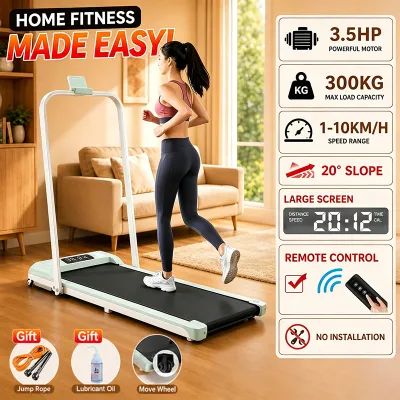
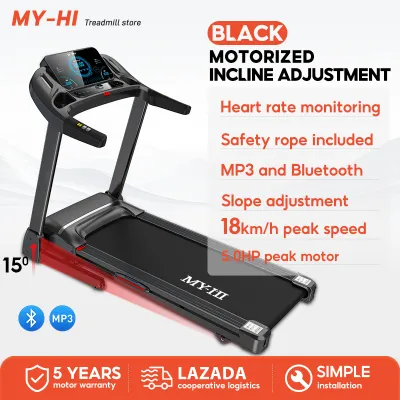
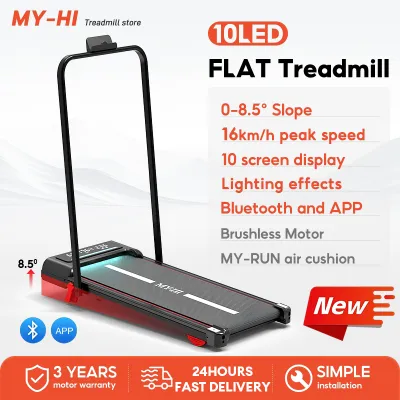
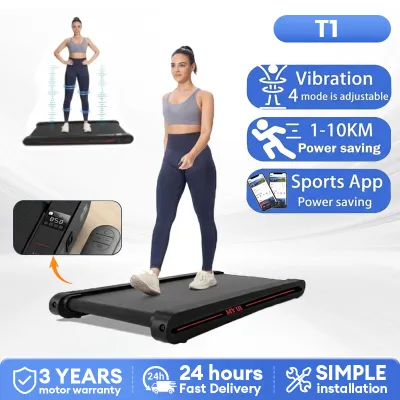
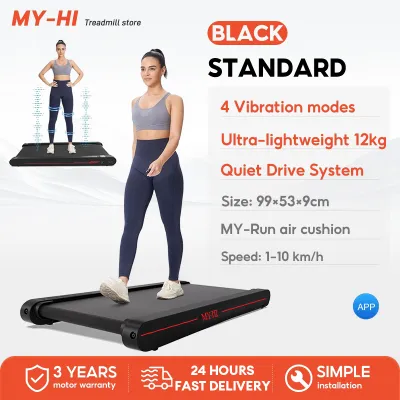
Prices are valid at publication and may change. Please refer to the product page for the latest price.
Muscle engagement patterns also distinguish these machines. A spin bike focuses almost exclusively on the lower body, targeting the quadriceps, hamstrings, glutes, and calves, while your core acts as a stabilizer. A wooden treadmill also emphasizes the lower body but engages the posterior chain and core more dynamically as you balance and drive the belt forward. In contrast, a rowing machine is a true full-body conditioner. Each stroke utilizes your legs for the initial push, your core for the transition, and your upper back, shoulders, and arms for the finish, distributing the physical workload across multiple major muscle groups.
Each machine presents a unique learning curve and technique requirement. Spin bikes are highly accessible, allowing users of almost any fitness level to sit and begin pedaling immediately with minimal risk of injury from poor form. Wooden treadmills, especially manual curved models, require a brief adjustment period as you learn to control your speed using your body’s center of gravity. Rowing machines have the steepest learning curve. Proper rowing technique requires a specific, coordinated sequence of movements; rushing the stroke or failing to engage your core can lead to inefficient workouts and unnecessary strain on your lower back.
Space, Setup, and Living Environment Constraints
Before purchasing any heavy fitness equipment, you must carefully measure your available floor space for both active use and storage. A spin bike is the most space-efficient option, typically requiring a footprint of only about 4 feet by 2 feet. While spin bikes rarely fold, they are usually equipped with transport wheels, allowing you to roll them into a corner when not in use. A rowing machine requires a long horizontal clearance during workouts, often stretching up to 8 feet in length. However, many modern wooden and metal rowers are designed to be stored vertically, standing upright against a wall to occupy minimal floor space between sessions.

Wooden treadmills are generally the bulkiest and heaviest of the three options. Because of their robust construction and curved deck design, they cannot be folded or easily tucked away, requiring a permanent, dedicated spot in your home. You must also consider ceiling clearance, especially if you are tall. While a spin bike keeps your head at a relatively constant height and a rowing machine keeps you seated low to the ground, a curved wooden treadmill elevates your standing height by several inches. Ensure your ceiling is high enough to accommodate your height plus the deck elevation during active running.
Floor load capacity and protection are critical considerations for home setups. A solid wooden treadmill or a water-resistance rowing machine can weigh well over 100 kilograms even before you step onto it. The combination of heavy equipment and dynamic body movement can damage tile, laminate, or hardwood floors. Placing a heavy-duty, high-density rubber protective mat under your equipment is essential to distribute the weight, absorb vibrations, prevent the machine from slipping, and protect your flooring from scratches or structural cracks.
Budgeting and Long-Term Value Assessment
When planning your budget, understanding what drives the cost differences helps you assess long-term value. Premium home fitness equipment can range from affordable entry-level models to high-end units costing upwards of ₱50,000 or even ₱100,000. Equipment constructed from solid hardwoods, such as sustainably sourced ash, oak, or walnut, carries a higher upfront price tag than standard steel-framed alternatives. This premium material is not just for aesthetics; solid wood naturally absorbs sound and vibrations, resists wear, and blends seamlessly with residential furniture.
Beyond the initial purchase price, you should account for potential hidden expenses. Heavy equipment like wooden treadmills and water rowers often require professional assembly to ensure structural integrity and safety. Shipping fees can also be substantial due to the weight and volume of the packages. Additionally, you may need to budget for specialized maintenance tools, such as belt lubricants, alignment keys, or water purification tablets to keep water-resistance tanks clear of algae.
Structural longevity and resale potential are key indicators of value. Manual wooden treadmills and mechanical spin bikes have fewer electronic components, such as motors and complex consoles, which are often the first parts to fail on motorized gym equipment. This mechanical simplicity generally translates to a longer lifespan and lower repair costs over time. High-quality wooden fitness equipment also tends to retain its value well on the secondary market, making it easier to recoup a portion of your investment if you decide to upgrade or change your fitness routine in the future.
Noise, Maintenance, and Daily Usability
Managing noise is crucial if you live in a shared household or a multi-story condominium. The noise generated by these machines varies significantly by design. A wooden treadmill produces a rhythmic thudding sound from your footstrikes, which can easily transfer through floors and disturb neighbors below. Spin bikes utilizing magnetic resistance and a belt drive are virtually silent, making them the ideal choice for early morning or late-night workouts. Rowing machines produce different acoustic profiles depending on the resistance type: water rowers create a gentle, rhythmic swooshing sound, air rowers produce a louder wind-like hum, and magnetic rowers operate almost silently.
Maintaining fitness equipment in a warm, humid tropical climate requires consistent care to prevent premature wear. High humidity can cause metal components to rust and can affect wooden frames if they are not properly sealed. You should regularly wipe down your equipment after every workout to remove sweat, which is highly corrosive. For wooden treadmills, check the slat tension and alignment periodically. For spin bikes, inspect the drive belt for wear and lubricate moving parts as recommended by the manufacturer. If you choose a water-resistance rowing machine, you must treat the water tank regularly and keep the track free of dust and debris.
Power requirements are another practical factor in daily usability. Many manual wooden treadmills, magnetic spin bikes, and water rowers are entirely self-powered, relying on your physical movement or simple batteries to run the basic console display. This independence from electrical outlets gives you greater flexibility in where you place the machine and ensures your workout routine remains uninterrupted during power outages. It also eliminates any additional electricity costs, making your home gym more energy-efficient.
Final Decision Framework: Making Your Choice
To make your final decision, evaluate how your personal circumstances align with the specific strengths of each machine:
- Choose a wooden treadmill if you are an avid runner who wants a natural, self-paced training experience, prefer the joint-friendly feel of flexible wooden slats, have a dedicated ground-floor space, and do not mind a heavier physical workout.
- Choose a spin bike if you have limited floor space, live in an apartment where keeping noise to a minimum is a priority, want a low-impact cardio option focused on lower-body conditioning, and prefer a machine that is easy to use immediately.
- Choose a rowing machine if you want a highly efficient, full-body workout that balances cardiovascular training with upper and lower body muscle engagement, and you have the horizontal space to exercise but need the option to store the machine vertically.
Before finalizing your purchase, always verify that your chosen machine fits your home’s physical limits. Measure your ceiling height, check the manufacturer’s weight capacity guidelines, and ensure you have a suitable protective mat ready for your floor. Taking these steps ensures your new equipment becomes a lasting, functional part of your daily routine.
Frequently Asked Questions (FAQ)
Are manual wooden treadmills harder to run on than motorized models?
Yes, manual wooden treadmills generally require more physical effort than motorized versions. Because there is no motor driving the belt, your legs must provide all the force necessary to start and maintain the movement. The curved design of many wooden treadmills helps facilitate this by using gravity and your stride placement to control the speed, but you will likely experience higher muscle engagement and a higher perceived exertion during the initial adjustment period.
Which machine is safest for users with existing lower back issues?
If you have existing lower back issues, you should consult a physical therapist or medical professional before starting any new exercise regimen. Generally, a spin bike with an adjustable seat and handlebars allows you to maintain an upright, supported posture that minimizes spinal flexion. Rowing machines require a continuous hinging motion at the hips and lower back, which can exacerbate back pain if your core is weak or your form is incorrect. Always check the manufacturer’s weight limits and ergonomic adjustments to ensure the equipment can be tailored safely to your body.

Community discussion
Share your experience or ask a question. Comments are reviewed before publication.