
Finding the right balance between maintaining an active lifestyle and preserving the aesthetic harmony of a condominium can be a challenge. Traditional fitness equipment, with its bulky steel frames and industrial black plastic, often clashes with carefully curated home decor. In compact urban residences, where every square meter counts, a massive gym machine can quickly make a living room feel cramped. This has led to a growing interest in wooden treadmills and walking pads—fitness equipment designed to blend seamlessly into residential spaces as functional furniture.
This guide provides a comprehensive framework for evaluating wooden treadmills and walking pads specifically for condo living in the Philippines. Rather than focusing on static product lists that quickly become outdated due to fluctuating stock and pricing, we focus on the essential design features, material specifications, and practical considerations you need to make an informed purchase. By understanding what to look for in terms of wood quality, motor performance, and space-saving design, you can select a machine that supports your fitness goals while enhancing your home environment.
Why Wooden Fitness Equipment Fits Condo Living
Traditional gym equipment is built for commercial spaces where durability is the sole priority and visual appeal is secondary. In contrast, wooden fitness machines are crafted to complement modern interior design styles, such as Scandinavian minimalist, industrial, or warm tropical aesthetics. The natural grain and warm tones of timber, such as oak, walnut, or beech, soften the visual impact of the machine. Instead of hiding your workout gear in a closet, a well-designed wooden walking pad or treadmill can sit openly in your living area, looking more like a premium bench or accent piece than a piece of machinery.
Products mentioned in this guide
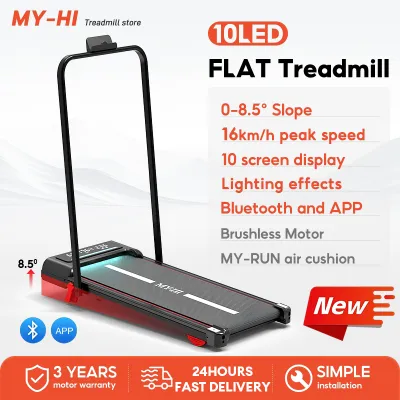
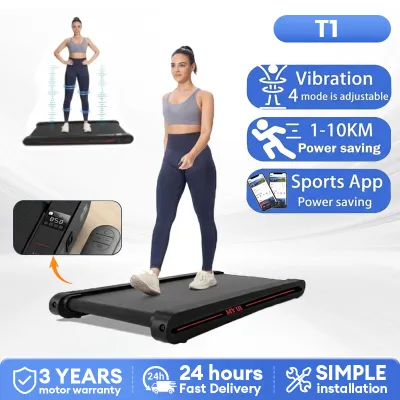
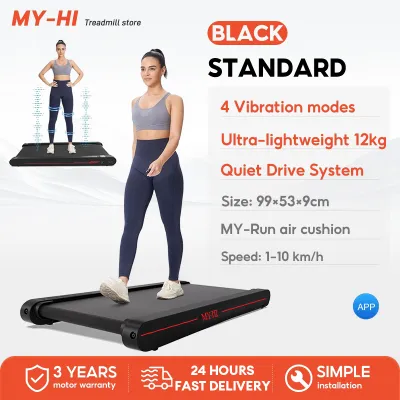
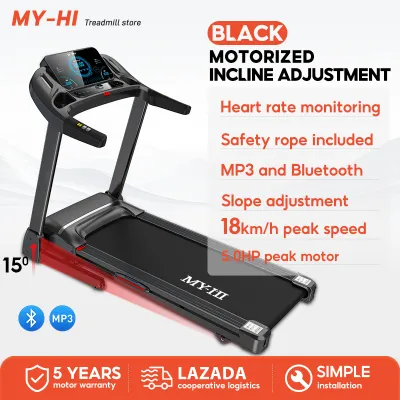
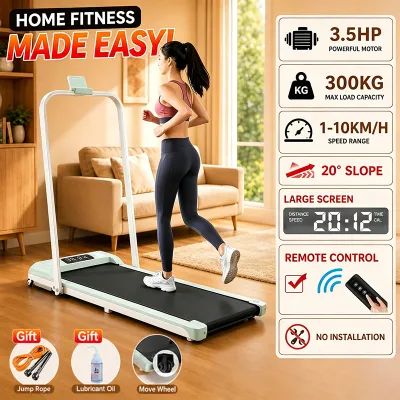
Prices are valid at publication and may change. Please refer to the product page for the latest price.
Beyond aesthetics, wooden fitness equipment often features a more compact and visually light profile. Many wooden walking pads are designed with ultra-thin decks that can slide under a sofa or stand upright against a wall when not in use. The use of wood also allows for innovative structural designs that minimize bulk without sacrificing stability. This visual lightness is particularly beneficial in smaller studio or one-bedroom condominiums, where heavy, opaque objects can make a room feel significantly smaller than it actually is.
Living in a multi-story residential building means sharing walls and floors with neighbors, making noise and vibration control a primary concern. Traditional treadmills can transmit significant impact noise through concrete floors, leading to complaints from those living below you. Wood possesses natural shock-absorbing properties that help dampen the vibrations caused by your footsteps. While it does not eliminate noise entirely, a wooden frame can significantly reduce the low-frequency thuds associated with running or walking, making your workouts much more neighbor-friendly during early mornings or late nights.
Key Specifications to Check Before Buying
When browsing online marketplaces or local fitness showrooms, it is easy to get overwhelmed by marketing jargon. To find a machine that fits both your body and your condo, you must carefully analyze the physical dimensions and structural specifications. Start by measuring your available floor space and comparing it to the machine’s footprint. The running belt width is a critical safety factor; a belt that is too narrow can feel restrictive and increase the risk of stepping off the track. For walking, a belt width of at least 40 centimeters is comfortable, while running requires a wider track of 45 to 50 centimeters to accommodate natural lateral movement.

You must also evaluate the weight capacity of the machine relative to your own body weight. Wooden frames are highly durable, but their structural integrity depends on the quality of the joinery and the thickness of the timber. Look for specifications that detail the maximum user weight, and aim for a machine that offers a safety margin of at least 15 to 20 kilograms above your actual weight. This margin ensures that the motor and frame are not constantly operating at their absolute limits, which can prolong the lifespan of the equipment.
The choice between a manual curved treadmill and a motorized model will dictate your workout experience and your power consumption. Manual curved wooden treadmills rely entirely on your physical effort to move the belt. They do not have a motor, which makes them exceptionally quiet and free from electrical cords, but they require more physical exertion to operate and generally have a larger, non-foldable footprint. Motorized wooden walking pads, on the other hand, use a small electric motor to drive the belt at a consistent speed. These models are ideal for steady-state walking while working, but you must check the decibel rating of the motor to ensure it operates quietly enough for your home environment.
The quality of the wood finish and the structural joinery are paramount when selecting a premium fitness machine. High-quality wooden treadmills utilize multi-layered hardwood or solid timber that has been treated to resist moisture and warping. Examine product photos and specifications for details on the sealing methods used; a high-grade polyurethane or water-resistant varnish is essential to protect the wood from sweat and humidity. Additionally, check the folding mechanism and mobility features. Look for models equipped with high-quality transport wheels and secure locking pins, allowing you to move and store the machine without straining your back.
Treadmill vs. Walking Pad: Which Fits Your Routine?
Deciding between a full-sized wooden treadmill and a compact walking pad depends largely on your fitness goals and daily routine. Walking pads are designed specifically for low-impact, steady-state movement. They typically have a maximum speed limit of around 6 to 8 kilometers per hour, making them highly suitable for light exercise while watching television or working at a standing desk. Because they lack bulky handrails and large consoles, walking pads are incredibly easy to store, making them the preferred choice for those with severe space constraints who primarily want to increase their daily step count.
In contrast, a wooden treadmill is built for more intense, structured cardio sessions. These machines feature more powerful motors, longer running decks, and higher speed limits that allow for jogging and running. Many wooden treadmills also offer manual or motorized incline adjustments, which can significantly increase the calorie burn and muscle engagement of your workouts without requiring you to run at high speeds. If your fitness routine involves high-intensity interval training (HIIT) or marathon preparation, a dedicated treadmill is necessary to provide the stability and speed range you require.
However, choosing a full treadmill comes with clear trade-offs in terms of space and portability. Treadmills have a much larger footprint and are significantly heavier than walking pads, making them more difficult to move around a condo. They often feature upright handrails and consoles that, even when folded, require more vertical or horizontal storage space. If you choose a treadmill, you must designate a semi-permanent spot for it in your home, whereas a walking pad can easily be tucked away out of sight after every session. Assess your commitment to running versus walking to determine if the extra bulk of a treadmill is truly justified for your lifestyle.
How to Evaluate and Compare Market Options
Because inventory on ecommerce platforms and in local fitness boutiques can change rapidly, learning how to critically evaluate product listings is more valuable than relying on a static list of recommended models. When comparing options, start by verifying the manufacturer’s claims regarding wood sourcing and construction. Look for brands that specify the exact type of wood used, such as sustainable beechwood or Canadian maple, rather than using generic terms like “hardwood” or “wooden style.” True wooden treadmills feature solid timber or high-density engineered wood frames, whereas cheaper imitations may simply use plastic frames with a wood-grain vinyl wrap.
Warranty terms are another crucial indicator of quality and long-term reliability. A reputable manufacturer should offer a clear warranty that covers different components of the machine for varying periods. Pay close attention to the warranty coverage for the wooden frame itself, as well as the motor, belt, and electronic components. A warranty that only lasts for a few months or fails to cover the structural frame should be a red flag. Always read the fine print to understand how warranty claims are handled, including whether you are responsible for shipping the heavy machine back to a service center.
User reviews and community forums are invaluable resources for uncovering potential issues that are not mentioned in the product description. Search for feedback from long-term users, paying close attention to comments regarding squeaking, belt slippage, or motor failure after several months of use. Wood is a natural material that can expand and contract, so look for reviews that mention whether the frame develops creaks or loose joints over time. Additionally, check for comments about the noise level of the motor under load, as some machines can be significantly louder in real-world use than their advertised decibel ratings suggest.
Finally, consider the logistics of delivery and assembly before making your purchase. Wooden treadmills and walking pads are heavy, often weighing between 20 and 60 kilograms. If you live in a high-rise condominium, you must ensure that the delivery service can transport the package to your specific floor and unit. Check the dimensions of the shipping box to verify that it will fit inside your building’s elevator and through your doorway. Some machines arrive fully assembled, while others require significant setup. If you are not comfortable with basic tools, look for retailers that offer professional assembly services within your area.
Setup and Maintenance for Tropical Climates
The tropical climate of the Philippines presents unique challenges for maintaining wooden fitness equipment. High humidity levels and warm temperatures can affect both the timber frame and the mechanical components of your machine. To protect your investment, proper setup and a consistent maintenance routine are essential. Start by placing a high-density, non-slip equipment mat underneath your treadmill or walking pad. This mat serves a dual purpose: it protects your condo’s flooring from scratches and indentations, and it acts as a barrier against moisture transfer, preventing dampness from accumulating beneath the machine.
Regular cleaning is vital to prevent sweat and dust from damaging the wood finish and the mechanical parts. After every workout, wipe down the wooden frame with a soft, dry microfiber cloth to remove perspiration. Sweat contains salts that can break down wood sealants and cause discoloration over time. For deeper cleaning, use a slightly damp cloth with a mild, wood-safe soap, but avoid harsh chemical cleaners, alcohol, or excessive water, which can strip the protective varnish and penetrate the wood grain. Ensure the machine is completely dry before storing or folding it.
In a humid environment, you must actively monitor the condition of the wood and the alignment of the belt. Keep your condo well-ventilated, and if possible, use air conditioning or a dehumidifier in the room where the equipment is stored to maintain stable humidity levels. Inspect the wooden frame periodically for any signs of warping, cracking, or loose joints. If you notice the belt slipping, shifting to one side, or producing unusual squeaking noises, consult the manufacturer’s manual for instructions on belt tensioning and lubrication. Never attempt to modify the structural wooden components yourself, as this can compromise the safety of the machine and void your warranty.
Frequently Asked Questions (FAQ)
Can I use a wooden treadmill on vinyl or laminate flooring?
Yes, you can use a wooden treadmill on vinyl or laminate flooring, but you must take precautions to prevent damage. These flooring materials can be susceptible to scratching, denting, and discoloration under heavy, concentrated loads. To protect your floor, always place a thick, high-density rubber or PVC equipment mat beneath the treadmill. The mat distributes the weight of the machine and the impact of your steps more evenly, preventing localized depressions. Additionally, the mat prevents the treadmill from sliding during use and blocks any moisture or sweat from seeping into the seams of your laminate or vinyl planks.
Do manual curved wooden treadmills require electricity?
No, manual curved wooden treadmills do not require electricity to operate. Because they lack an electric motor, the running belt is propelled entirely by the downward and backward force of your feet. This design allows you to place the machine anywhere in your condo without worrying about proximity to a power outlet or managing unsightly cords. However, if the treadmill features an electronic console to track your speed, distance, or time, that specific display will typically run on small batteries. In contrast, motorized wooden walking pads and treadmills must be plugged into a standard electrical outlet and should always be used with a surge protector to safeguard their electronic components.
How do I prevent the wood from warping in high humidity?
To prevent the wood from warping in a tropical climate, you must control the indoor environment and maintain the protective finish of the machine. Avoid placing your wooden treadmill in areas exposed to direct sunlight, open windows, or high moisture, such as balconies or near bathrooms. Using air conditioning or a dehumidifier in your condo helps maintain a stable, moderate humidity level, which minimizes the natural expansion and contraction of the timber. Additionally, inspect the wood finish periodically and follow the manufacturer’s guidelines for cleaning and care, ensuring that the protective sealant remains intact to block moisture absorption.

Community discussion
Share your experience or ask a question. Comments are reviewed before publication.