
Choosing the right dive light can mean the difference between exploring a vibrant coral wall in Anilao and staring into a dark, murky void. When comparing a Workos diving flashlight against other brands, the ideal choice ultimately depends on your specific dive profile, depth requirements, and budget. While a Workos model may suit recreational or backup needs, you must verify the exact manufacturer specifications against alternative brands before purchasing, as performance, sealing integrity, and battery life vary strictly by model.
In the tropical waters of the Philippines, underwater visibility can change rapidly due to plankton blooms, tidal currents, and weather patterns. A reliable dive light is not just an accessory for night diving; it is a critical safety tool for peering into crevices during day dives, restoring lost colors at depth, and signaling your dive buddy. To make an informed decision, you must look past marketing claims and focus on verifiable specifications, build quality, and real-world usability.
Key Specifications to Compare Before Buying a Dive Light
To establish a fair comparison between Workos and competing brands, you need a standardized checklist of technical specifications. The first critical factor is the relationship between lumens and beam angle. Lumens measure the total light output, but how that light is distributed determines its practical use. A narrow beam angle of 8 to 12 degrees is excellent for cutting through turbid water, highlighting distant marine life, and signaling buddies. Conversely, a wide beam angle of 60 to 120 degrees is preferred for underwater photography and video, as it floods the immediate area with even illumination. You must match these specifications to your typical diving environment rather than simply choosing the highest lumen count available.
Products mentioned in this guide
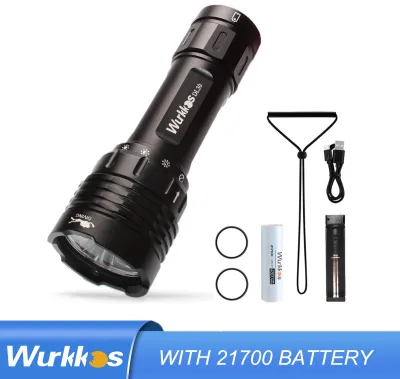
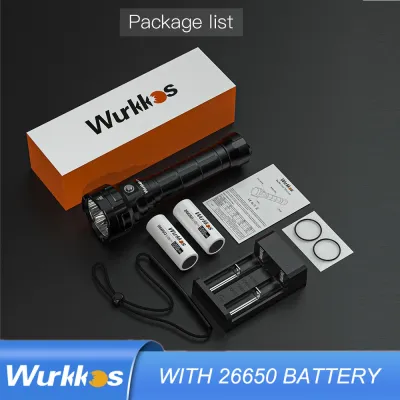
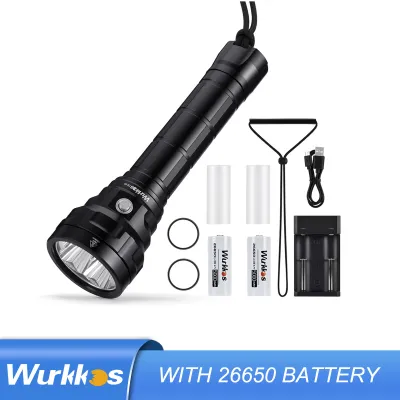
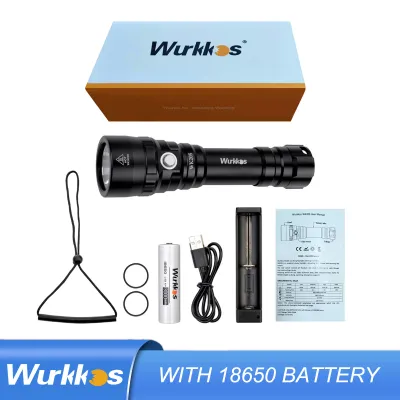
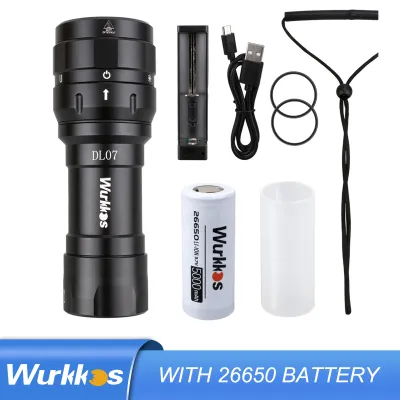
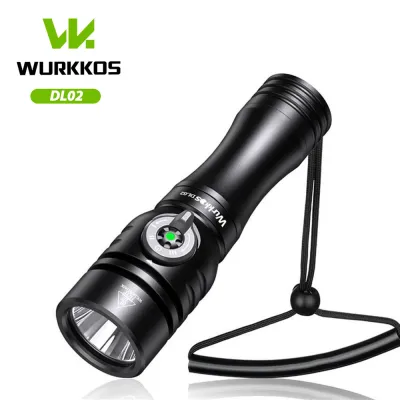
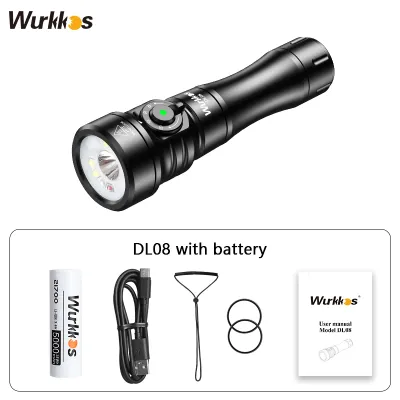
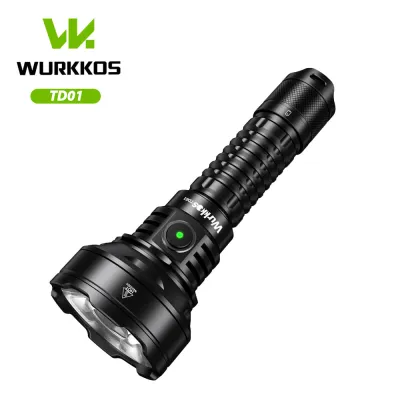
Prices are valid at publication and may change. Please refer to the product page for the latest price.
Depth ratings are another area where assumptions can lead to catastrophic gear failure. Never assume a flashlight is universally waterproof just because it is marketed as a dive light. You must check the manufacturer’s exact depth limit printed on the product packaging or user manual. Recreational diving typically caps at 40 meters, but choosing a light rated to 100 meters or more provides a safety margin against the increased pressure at depth. Ensure the rating is backed by clear testing standards rather than vague water-resistance claims.
Battery type and burn time directly impact your safety and convenience. Compare rechargeable lithium-ion batteries against disposable options. Rechargeable cells, such as 18650 or 21700 formats, offer higher power output and are more cost-effective over time, especially for active divers. However, you must verify the expected runtime at different power modes. A light that boasts high lumens but only lasts 30 minutes on its maximum setting may leave you in the dark during a standard 50-minute night dive. Look for models that offer multiple power levels so you can conserve battery life when maximum brightness is unnecessary.
Finally, examine the build materials and sealing mechanisms. The marine environment is highly corrosive, making anodized aluminum or high-strength polycarbonate housings essential. Look for double or triple O-ring seals at every opening point, as these provide redundant protection against water ingress under pressure. A robust bezel and impact-resistant glass lens are also necessary to withstand accidental bumps against boat ladders or rocky reefs.
Evaluating Workos Diving Flashlights for Your Dive Profile
When evaluating Workos diving flashlights, you must assess how their specific features align with your underwater activities. For standard recreational and night diving, a primary light needs to offer reliable illumination, a comfortable grip, and simple operation. If you are exploring shallow coral gardens or conducting typical night dives, check if the Workos model’s beam pattern provides a balanced mix of a bright center spot for signaling and a soft spill for peripheral vision.

For technical, wreck, or cave diving, the requirements become significantly more stringent. Technical divers rely on redundant light systems, consisting of a primary canister or heavy-duty hand-held light and at least two compact backup lights. In these high-risk environments, a failure can be life-threatening. If you are considering a Workos model for technical applications, verify whether its burn time, switch reliability, and depth rating meet the strict safety margins required for overhead environments. Often, recreational-grade lights are best reserved as secondary backups rather than primary tools in technical scenarios.
Ergonomics and controls are highly practical considerations that are easily overlooked on land. When diving in cooler thermoclines or handling gear, you may be wearing neoprene gloves. Evaluate the flashlight’s switch design—whether it is a rotary twist bezel, a push-button, or a magnetic slider. Magnetic sliders and large push-buttons are generally easier to operate with gloved hands. Additionally, ensure the light features a secure lanyard attachment point or is compatible with a Goodman handle, allowing you to secure the light to your wrist or hand and prevent it from slipping into the deep.
How to Assess Competing Brands and Alternatives
To make an objective comparison, you must apply the same rigorous standards to alternative brands. Start by verifying testing standards. Reputable manufacturers often test their lights according to standardized protocols, such as the ANSI/PLATO FL 1 standard, which defines specific methods for measuring brightness, run time, beam distance, and impact resistance. If an alternative brand does not reference recognized testing standards, treat their performance claims with caution.
Maintenance and serviceability are crucial for the longevity of your investment. Compare how easy it is to access, clean, and replace the O-rings on different models. Some brands provide spare O-rings, specialized lubricant, and detailed maintenance guides in the box, while others require you to source these components independently. A light that is difficult to service or lacks readily available replacement parts may end up being discarded after a single damaged seal.
Consider the broader ecosystem and accessories offered by the manufacturer. A versatile dive light should adapt to your growing skills. Check if the brand offers compatible ball mounts, cold shoe adapters, or YS mounts that allow you to attach the light to a camera rig. The availability of official spare batteries, multi-bay chargers, and protective carrying cases also adds significant value, ensuring you do not have to rely on third-party accessories that may not fit perfectly.
Price, Value, and Where to Verify Authenticity
When comparing prices, it is essential to evaluate the price-to-specification ratio rather than simply looking for the cheapest option. In the Philippines, dive gear prices can vary widely. A low price point of under ₱1,500 might seem attractive, but you must ask whether that price aligns with a safe depth rating, reliable thermal regulation, and durable materials. High-quality components, such as marine-grade anodized aluminum and advanced LED drivers, carry manufacturing costs that are reflected in the retail price.
Be vigilant for red flags when browsing online marketplaces and ecommerce platforms. Unusually low prices, generic product descriptions, missing brand logos, and a lack of warranty information are common indicators of counterfeit or substandard products. Using a counterfeit light underwater carries a high risk of battery explosion or sudden flooding, which can ruin your dive and damage other equipment.
To secure authenticity and protect your investment, always purchase your dive light from official brand stores, authorized local dive shops, or reputable distributors in the Philippines. Buying through official channels ensures you receive a genuine product, access to valid warranty coverage, and reliable after-sales support. If a light malfunctions or requires replacement parts, an authorized dealer can facilitate repairs far more efficiently than an unverified online seller.
Decision Framework: Which Dive Light Should You Choose?
To finalize your decision, use this structured framework to match your needs to the right product:
Choose a Workos model if the specific unit’s verified specifications, such as depth rating, lumen output, and beam angle, align perfectly with your recreational dive profile. If you are looking for a cost-effective primary light for shallow night dives or a dependable backup light that fits comfortably in your BCD pocket, a verified Workos model can offer excellent practical value.
Choose an alternative brand if your diving activities demand specialized technical certifications, specific beam configurations for underwater videography, or established local service centers for rapid repairs. If you regularly dive beyond recreational limits, explore overhead environments, or require highly precise color rendering indexes (CRI) for professional imaging, investing in a specialized premium brand is the safer and more functional choice.
Verify first if you are uncertain about any critical specification of the model you are considering. Before finalizing your purchase, double-check the exact depth rating, battery compatibility, and O-ring maintenance requirements. If the manufacturer’s documentation is vague or unavailable, contact the seller or manufacturer directly to confirm these details before taking the light underwater.
Frequently Asked Questions (FAQ)
How do I maintain the O-rings on my dive flashlight?
To maintain the O-rings on your dive flashlight, inspect them before every dive for any signs of debris, sand, hair, cracks, or flattening. Carefully remove the O-rings using a blunt tool, such as a plastic card, to avoid scratching the groove. Clean the O-rings and the grooves with a lint-free cloth. Apply a very small, pea-sized amount of manufacturer-approved silicone grease to your fingertips and gently draw the O-ring through them to coat it evenly; the ring should look shiny but not have excess grease buildup. If you notice any cracks, nicks, or permanent flattening, replace the O-ring immediately with an official spare to prevent water leakage under pressure.
Can I use a regular tactical flashlight for scuba diving?
No, you should never use a regular tactical flashlight for scuba diving. Surface tactical lights are designed to resist rain or temporary splashing, but they are not built to withstand the immense hydrostatic pressure experienced underwater. At depth, the pressure will compress the seals, leading to catastrophic flooding, short circuits, or battery failure. Furthermore, dive lights are specifically engineered to dissipate heat using the surrounding water; running a high-powered tactical light underwater or a dive light on land for extended periods can cause overheating and permanent damage. Only use flashlights that carry an explicit, manufacturer-stated depth rating for scuba diving.

Community discussion
Share your experience or ask a question. Comments are reviewed before publication.