
Evaluating the Xiaomi Scooter Pro 4 for your daily commute requires looking beyond the headline numbers on the box. While manufacturer specifications provide a helpful baseline, real-world riding conditions—such as navigating crowded city streets, climbing sudden flyovers, and handling tropical weather—demand a practical translation of these technical details. Understanding how motor wattage, battery capacity, and tire designs interact with your specific route ensures you choose a reliable, safe, and efficient ride.
Motor and Speed Specs: Matching Your Daily Route
When reviewing the motor specifications of the Xiaomi Scooter Pro 4, you will encounter two primary figures: rated (nominal) power and peak power. Rated power represents the continuous output the motor can safely sustain over long distances without overheating. Peak power, on the other hand, is the temporary maximum output the motor can draw for short bursts. This distinction is crucial for your daily commute; while rated power dictates your flat-ground cruising efficiency, peak power is what helps you accelerate away from a dead stop at busy intersections or push up steep inclines.
To determine if the scooter can handle your local terrain, compare the manufacturer’s maximum incline rating against the steepest hills or flyovers on your route. Keep in mind that these climbing ratings are calculated under optimal conditions. In daily use, your actual climbing ability and top speed will vary based on several dynamic factors. A heavier payload, lower tire pressure, or a depleted battery will reduce the voltage supplied to the motor, resulting in slower hill climbs and a lower top speed on elevated roads.
Products mentioned in this guide
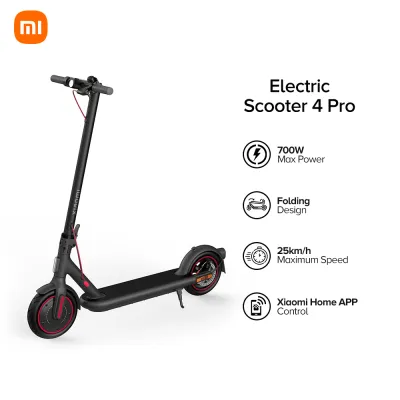
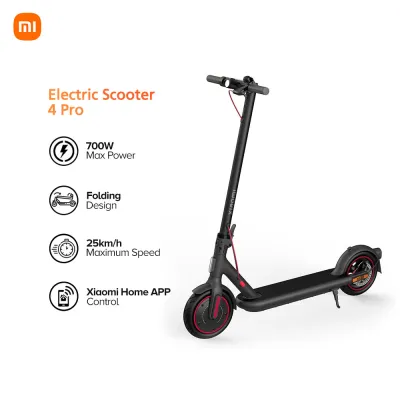
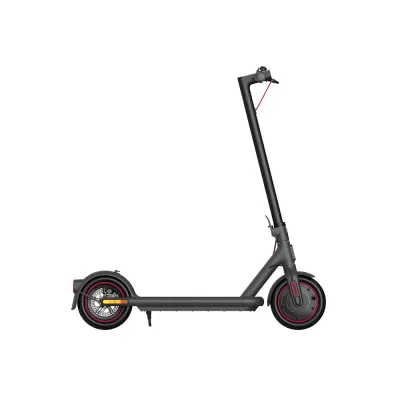
Prices are valid at publication and may change. Please refer to the product page for the latest price.
Battery Capacity: Calculating Your Real-World Commute
To translate the advertised battery capacity into a realistic daily commuting radius, you must understand how official range tests are conducted. Manufacturers typically test battery range under highly controlled laboratory conditions: a lightweight rider, flat and smooth paved terrain, no wind resistance, and a constant, low-speed setting. While these standardized tests are helpful for comparing different models, they rarely reflect the realities of a daily urban commute.

To plan your route safely, use a practical adjustment framework. Start by discounting the advertised range by 30% to 50% to account for real-world variables. Frequent stop-and-go acceleration at traffic lights, fighting headwinds, carrying a heavy backpack, and riding over rough or uneven pavement all drain the battery much faster than a continuous flat-ground test. If your daily round-trip commute is close to the adjusted range limit, you will need to plan for a mid-day charge at your destination.
Managing your battery health is also vital for long-term reliability. Use the companion mobile application to monitor the battery management system (BMS) indicators, which track cell temperature and voltage stability. Always maintain a safety buffer of at least 20% battery capacity at the end of your journey. Running the battery down to absolute zero regularly can degrade the lithium-ion cells prematurely and leave you stranded mid-commute.
Brakes and Tires: Safety and Daily Maintenance
Your safety on busy roads depends heavily on the scooter’s braking and tire specifications. The Xiaomi Scooter Pro 4 typically utilizes a dual-braking system, combining a front regenerative electronic brake with a rear disc brake. The electronic brake helps slow you down while recovering a small amount of energy, while the mechanical disc brake provides the decisive stopping power needed for sudden stops. Disc brakes require regular maintenance; you must periodically check the brake pads for wear, clean the rotor of road grime, and adjust the cable tension to ensure the brake lever remains responsive.
Tire specifications are equally critical for ride quality and safety. The scooter features large pneumatic (air-filled) tires, which act as the primary suspension system. These tires cushion your ride against vibrations from rough asphalt and concrete joints, reducing rider fatigue. However, pneumatic tires require consistent upkeep. You must check the tire pressure weekly using a pressure gauge; under-inflated tires increase rolling resistance, reduce battery range, and make you highly susceptible to pinch flats when hitting potholes.
Before heading out each day, perform a quick, two-minute pre-ride inspection. Visually inspect the tire tread for embedded debris or sharp objects, squeeze the tires to verify firmness, and test both brake levers to confirm they engage smoothly. If you notice any loss of braking power or visible tire wear, address these maintenance items before riding in traffic.
Weight and Dimensions: Handling the Scooter Off-Road
An often-overlooked aspect of commuter utility is how the scooter performs when you are not riding it. The total weight of the scooter is a critical specification if your daily route involves multi-modal transit, such as carrying the unit up pedestrian overpasses, onto LRT or MRT trains, or up office stairs. A scooter weighing over 15 kilograms can quickly become a physical burden if you have to carry it over long distances or up multiple flights of stairs.
Folded dimensions are another key constraint. Measure your intended storage locations—such as under your office desk, inside a car trunk, or within a narrow entryway closet—and compare them directly to the folded dimensions listed on the spec sheet. A compact folded footprint makes it much easier to store the scooter securely out of the way of colleagues or family members.
Finally, familiarize yourself with the folding mechanism. The folding latch must be easy to operate yet robust enough to remain securely locked while riding. Always follow the manufacturer’s instructions for locking and unlocking the stem, ensuring the safety sleeve is fully engaged before setting off. Keep your fingers clear of the hinge pivot points during folding to prevent pinching hazards.
Frequently Asked Questions (FAQ)
Does a higher waterproof rating mean I can ride in heavy rain? (FAQ)
No, a higher IP rating does not make the scooter completely waterproof. Most commuter electric scooters carry an IPX4 or IP55 rating, which means they can withstand light splashes of water from any angle. However, riding through deep puddles, heavy tropical downpours, or exposing the scooter to high-pressure water streams can force moisture past the seals. This can permanently damage the battery, motor, and display electronics, and such water damage is typically excluded from the manufacturer’s warranty.
How do I know if the scooter's maximum load capacity is safe for me? (FAQ)
To determine if the maximum load capacity is safe, calculate your total riding weight. This includes your body weight, your clothing, your shoes, and any cargo you plan to carry, such as a heavy laptop backpack or groceries. The maximum load capacity (typically 120 kilograms) is a strict structural and mechanical limit. Exceeding this weight limit strains the motor, accelerates battery depletion, reduces climbing ability, and significantly increases your braking distance, compromising your safety on the road.

Community discussion
Share your experience or ask a question. Comments are reviewed before publication.