
Finding a reliable way to stay active indoors is a common challenge, especially when dealing with unpredictable tropical weather, heavy rain, or intense afternoon heat. Under-desk treadmills and walking pads have emerged as practical solutions for maintaining daily step counts from the comfort of an air-conditioned room. Investing in a home walking pad can save you thousands of ₱ in annual gym memberships and commuting costs. However, choosing the right model requires balancing your physical space, fitness goals, and budget.
Quick Answer: Matching the Right Walking Pad to Your Routine
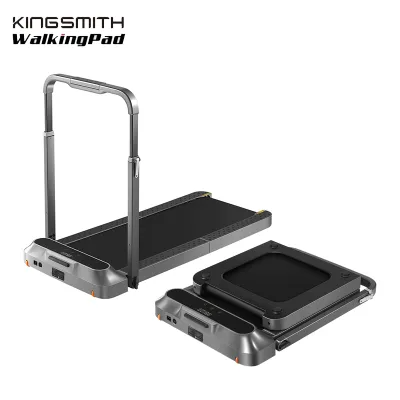
The ideal walking pad for your home depends entirely on your body weight, available storage space, and how fast you plan to move. If you prioritize space-saving engineering and want a machine that folds completely in half to slide into a tight closet or under a low sofa, the Xiaomi Walking Pad R2 is designed specifically for these constraints. Its dual-mode folding mechanism caters to both casual walkers and light joggers who need to clear their floor space immediately after a workout.
Conversely, if you require a high weight capacity, plan to run at high speeds for extended periods, or are working with a strict budget, alternative categories may serve you better. Standard flat walking pads or heavy-duty under-desk treadmills often provide more robust motors and wider running belts at different price points. Rather than searching for a single universal winner, you should focus on matching a machine’s verified specifications to your personal physical profile and home environment.
Products mentioned in this guide
![Xiaomi Kingsmith Walkingpad R2 Foldable Treadmill [ International Edition Exclusive Distribution Brushless Motor CE Certified Running Walking 1.25hp 12km/h Low Noise 110kg Load Capacity LED Display APP Control Remote Control Home Gym ]](https://img.lazcdn.com/g/p/a6ceb707a445e9ca0f3cd948962e282c.jpg_400x400q80.jpg_.webp)
![Xiaomi Kingsmith Walkingpad R2 Treadmill Foldable [ International Edition Exclusive Distribution Brushless Motor CE Certified Running Walking 1.25hp 12km/h Low Noise 110kg Load Capacity LED Display APP Control Remote Control Home Gym ]](https://img.lazcdn.com/g/p/137b9fa8fb7afa5055b1799fb50dc985.jpg_400x400q80.jpg_.webp)
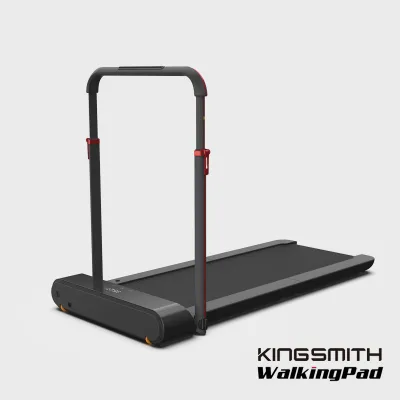
Prices are valid at publication and may change. Please refer to the product page for the latest price.
Essential Specifications to Compare Before Buying
Before committing to any fitness equipment, you must analyze the technical specifications to ensure the machine can safely support your workouts. Do not rely solely on marketing images; instead, cross-reference the official manufacturer labels for these critical metrics.

Running Area and Belt Dimensions The length and width of the walking belt directly affect your safety and comfort. A belt that is too narrow can cause you to step on the side rails, leading to slips, while a belt that is too short may limit your natural stride. Taller users or those with longer strides should look for a belt length of at least 120 centimeters and a width of at least 40 centimeters to ensure comfortable movement.
Motor Power and Speed Ranges Walking pad motors are typically rated in horsepower (HP). For continuous walking, a motor rating between 1.0 HP and 1.5 HP is generally sufficient, but if you plan to transition into light jogging, look for models that offer higher peak power. Additionally, check the maximum speed limits; some basic models cap out at 6 kilometers per hour (km/h), which is strictly a walking pace, while others reach up to 10 km/h or 12 km/h to accommodate jogging.
Weight Capacity and Frame Durability Every walking pad has a maximum weight limit that must never be exceeded. Exceeding this limit strains the motor, accelerates belt wear, and poses a safety hazard. Always choose a machine with a weight capacity that offers a safety buffer of at least 10 to 15 kilograms above your actual weight to account for the dynamic impact forces generated while walking or jogging.
Noise Levels and Shock Absorption Because these machines are often used in shared spaces or multi-story residential buildings, noise reduction is crucial. Look for multi-layered running belts and built-in shock-absorbing cushions that dampen the sound of your footsteps. Checking user reviews or manufacturer specifications for decibel ratings during operation can help you avoid disturbing family members or downstairs neighbors.
Evaluating the Xiaomi Walking Pad R2 for Your Space
The Xiaomi Walking Pad R2 is distinguished by its unique structural design, which addresses the primary pain point of home fitness equipment: storage. Understanding its specific design focus helps determine if it fits your daily routine.
The 180-Degree Folding Mechanism Unlike traditional flat treadmills that remain at their full length even when stored, the R2 features a patented folding system. The running deck folds completely in half, reducing its storage footprint significantly. This allows you to store the unit vertically against a wall or tuck it away in small utility areas, making it highly suitable for compact apartments or condominiums where floor space is at a premium.
Smart Ecosystem Integration As part of a broader smart home ecosystem, the R2 typically connects to dedicated mobile applications. This connectivity allows you to track your workout history, customize speed settings, and control the machine directly from your smartphone or a companion remote control. For users who enjoy analyzing their fitness data over time, this integration provides a seamless way to monitor progress.
Limitations and Verification Points While the folding design is highly convenient, it introduces structural joints in the middle of the walking belt. You should verify if this seam is noticeable to you during use, as some users prefer a completely seamless deck. Additionally, the R2 is designed primarily for walking and light jogging; it does not offer incline adjustments, and its maximum speed and weight limits may not support high-intensity running or heavier users. Always check the official product manual to confirm these thresholds match your physical requirements.
Exploring Alternative Walking Pad Categories
If the folding mechanism of the R2 is not your primary concern, exploring other categories of walking pads can help you find a more cost-effective or heavy-duty solution.
Heavy-Duty Under-Desk Treadmills These models are built with larger, more powerful motors and robust steel frames. They do not fold in half, but they offer superior stability, higher weight capacities, and longer continuous run times. If you plan to use the machine for several hours throughout the workday while standing at a desk, a heavy-duty model is often more durable and better equipped to handle continuous friction.
Ultra-Compact Flat Walking Pads For those seeking simplicity and budget-friendly options, flat walking pads offer a minimalist design without folding handrails or complex consoles. These units are incredibly thin and lightweight, designed to slide directly under a bed or sofa when not in use. While they lack advanced smart features or high-speed capabilities, they provide a straightforward, low-cost way to get your steps in.
Hybrid Jogging Treadmills Hybrid models bridge the gap between walking pads and traditional treadmills. They feature a sturdy, foldable handrail that, when raised, unlocks higher speed limits for jogging. When the handrail is folded down, the machine operates at a safer, capped speed suitable for under-desk walking. This versatility is ideal for households where multiple users have different fitness goals.
Decision Framework: Which Walking Pad Should You Buy?
To finalize your decision, evaluate your personal priorities against the following scenarios to identify the most suitable category for your home.
Choose the Xiaomi Walking Pad R2 if:
- You live in a compact space, such as a high-rise condo in Metro Manila, where vertical storage is necessary to keep living areas clear.
- You value smart home connectivity and want to sync your workout data directly to your smartphone.
- Your routine consists of daily walking and occasional light jogging, and you do not require steep incline training.
Choose a heavy-duty alternative if:
- Your body weight is close to or exceeds the weight limits of compact folding models, requiring a more robust frame and motor.
- You plan to use the machine for multiple hours of continuous walking throughout the day.
- You prefer a completely solid, non-folding running deck to eliminate any sensation of a middle seam.
Choose a budget ultra-compact model if:
- You are working within a strict budget and want a straightforward machine without paying extra for folding frames or advanced app integration.
- You only plan to walk at slow speeds while working at a standing desk and do not need a handrail for stability.
Verify first before purchasing:
- Voltage and Plug Type: Ensure the machine is compatible with the standard 220V electrical system in the Philippines and check if you need an adapter for the plug.
- Warranty and Support: Confirm that the seller offers a local warranty and reliable after-sales service to handle any potential motor or belt issues on local ecommerce platforms.
- Floor Space: Measure your room to ensure you have adequate clearance around the machine during operation.
Pre-Purchase Checks and Space Planning
Proper preparation before your walking pad arrives ensures a safe setup and prevents damage to your home or the machine itself.
Measuring Your Space and Safety Clearance Never squeeze a walking pad into a tight corner without clearance. For safety, you should maintain at least 0.5 meters of open space on both sides of the machine and at least 1 to 2 meters of clear space behind the belt. This prevents injury in the event of a slip or sudden stop. Measure both the unfolded footprint for workouts and the folded dimensions to ensure it fits your designated storage spot.
Managing Noise and Vibration in Condominiums In multi-story residential buildings, the vibration from walking can easily travel through concrete floors, creating a low-frequency hum for neighbors below. To mitigate this, place a high-density rubber or PVC equipment mat underneath the walking pad. This mat absorbs vibrations, dampens operational noise, and protects your flooring from scratches and sweat.
Environmental Considerations for Tropical Climates In the Philippines, high humidity and warm temperatures can affect electronic fitness equipment. Ensure your walking pad is stored in a dry, well-ventilated area to prevent moisture buildup on the internal circuit boards. Wipe down the belt and frame after every workout to prevent sweat from causing rust or degrading the materials over time.
Frequently Asked Questions (FAQ)
Do walking pads require regular maintenance like full-sized treadmills?
Yes, compact walking pads require consistent maintenance to ensure longevity and safe operation. You must regularly check the alignment of the running belt to prevent it from shifting to one side and fraying against the frame. Additionally, apply a small amount of 100% silicone lubricant under the belt according to the manufacturer’s recommended schedule—typically every 3 months or after 100 kilometers of use—to reduce friction on the motor. Keep the motor housing free of dust by gently vacuuming the vents periodically.
Can I use a walking pad directly on hardwood or tiled floors?
It is highly recommended to use a protective equipment mat rather than placing the walking pad directly on hardwood or tiled floors. The weight of the machine, combined with the impact of your steps, can scratch delicate wood finishes or cause tiles to crack over time. A high-density mat also prevents the machine from slowly sliding across smooth tile surfaces during use, ensuring a stable and secure workout environment.

Community discussion
Share your experience or ask a question. Comments are reviewed before publication.