
Choosing between the Xiaomi WalkingPad A1 and the WalkingPad C1 comes down to how you balance storage convenience, structural stability, and your specific fitness goals. Both of these compact, under-desk treadmills are designed to help you maintain an active lifestyle from the comfort of your home, especially during hot, humid afternoons in the Philippines when outdoor walks are less appealing. While both models share the core philosophy of space-saving fitness equipment, they differ in their structural designs, folding mechanisms, and user interfaces. To make the right investment for your home gym, you need to evaluate how each model’s physical footprint, motor capabilities, and control systems align with your daily routine and the layout of your living space.
Key Specifications and Design Differences
When setting up a cardio station in a condo or a shared family room, the physical dimensions and structural build of your treadmill dictate both your comfort and safety. The WalkingPad A1 and C1 present distinct approaches to frame construction and deck design. To ensure a safe workout, you must first check the maximum weight capacity printed on the manufacturer’s label for each model. Generally, these compact walking pads are engineered for light to moderate walking, meaning their frames are lighter than traditional commercial treadmills. You should verify that your body weight falls comfortably within the certified limits of your chosen model to prevent premature motor wear or deck damage.
The running belt dimensions are equally critical for maintaining a natural, relaxed stride. A wider and longer belt provides a larger safety margin, allowing you to walk without constantly monitoring your foot placement. When comparing the A1 and C1, inspect the official specifications for belt width and length. A narrower belt might feel restrictive if you have a wider gait or prefer a faster walking pace, while a more generous deck surface allows for a more carefree stride.
Products mentioned in this guide
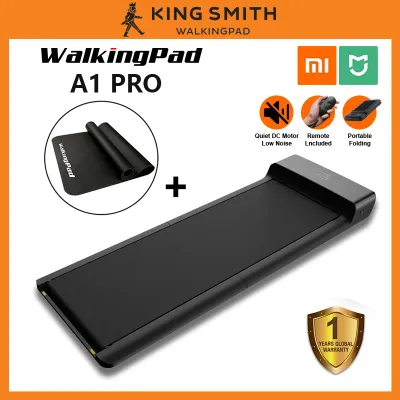
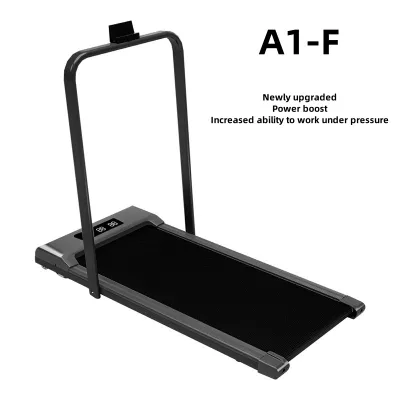
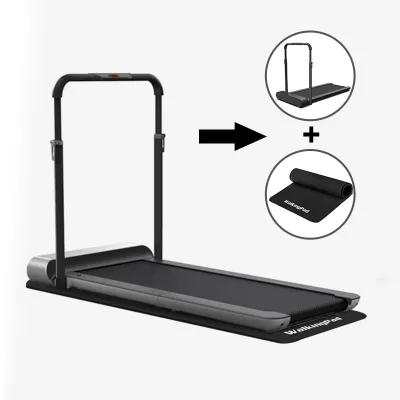
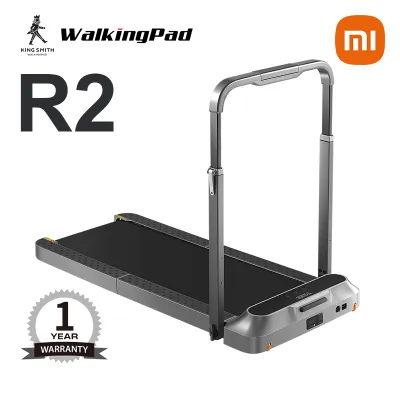
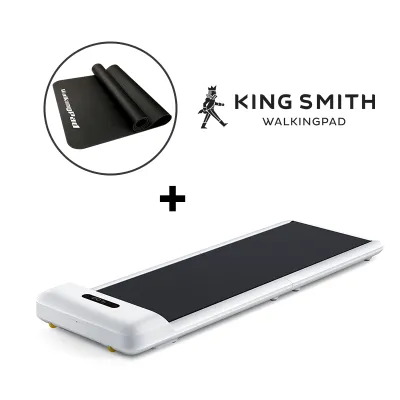
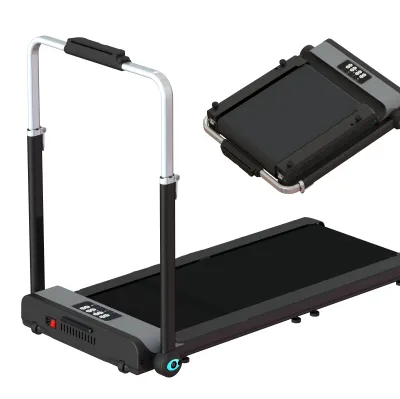
Prices are valid at publication and may change. Please refer to the product page for the latest price.
Build materials also play a significant role in the longevity of the machine, particularly in tropical climates where high humidity can accelerate wear. Look for frames constructed from high-strength aluminum alloys or robust composite materials that offer structural rigidity without adding excessive weight. A sturdy deck minimizes flexing and vibration during use, which not only protects your joints but also reduces the mechanical strain on the internal components. Before purchasing, inspect the underside of the deck and the quality of the side rails to gauge how well the unit will handle daily foot strikes over several years.
Motor Performance and Speed Limits
The heart of any under-desk treadmill is its motor, which dictates the maximum speed, noise output, and overall durability of the machine. Both the Xiaomi WalkingPad A1 and C1 are primarily designed as walking pads rather than high-speed running machines. You should review the maximum speed settings in the official product manual to confirm whether they support light jogging or are strictly limited to walking speeds. Typically, these models top out at speeds suitable for brisk walking or a very light jog, making them excellent tools for active recovery or burning calories while working at a standing desk.

Motor noise is a paramount consideration if you plan to use your walking pad in an apartment, a shared workspace, or late at night while family members are sleeping. Brushless motors, which are often featured in premium compact treadmills, tend to operate much more quietly and have a longer lifespan than traditional brushed motors. When evaluating the A1 and C1, check the manufacturer’s specifications regarding motor type and decibel levels. A quieter motor allows you to watch television, take phone calls, or attend virtual meetings without distracting background hums.
Additionally, compact treadmills have specific duty cycles and heat dissipation requirements that you must respect to avoid overheating. Because these units lack the massive cooling fans found in commercial gym treadmills, they require adequate ventilation. In warm environments, it is wise to limit continuous usage sessions to the duration recommended in the user manual—often around 45 to 60 minutes—allowing the motor to cool down completely before the next session. Always verify these operational limits in your product documentation to protect your investment.
Folding Mechanism and Storage Footprint
One of the primary reasons fitness enthusiasts choose the Xiaomi WalkingPad line is the ability to fold the machine and store it out of sight when not in use. The folding mechanism is where the A1 and C1 show some of their most notable design variations. The WalkingPad A1 is widely recognized for its patented 180-degree double-fold design, which allows the deck to fold completely in half, drastically reducing its storage length. This makes it exceptionally easy to slide under low-profile sofas, bed frames, or into tight closet spaces.
In contrast, you should examine the specific folding mechanism of the C1, as some iterations or similar models utilize a different folding geometry or include integrated handles that alter the folded thickness. Measure your available storage spaces—such as the clearance height under your bed or couch—and compare these measurements directly against the folded dimensions listed in the product specifications. A difference of just a few centimeters in clearance height can determine whether a treadmill fits neatly under your furniture or ends up cluttering your living room floor.
Portability is also heavily influenced by the total unit weight and the design of the transport wheels. Even a compact walking pad can weigh between 20 to 30 kilograms, making it challenging to lift without assistance. Look for models equipped with smooth-rolling transport wheels at the front of the frame. These wheels allow you to tilt the unit and roll it across hard floors like tile, hardwood, or polished concrete with minimal effort. If you have thick rugs or need to move the unit across different floor levels, a lighter frame weight will make daily setup and teardown significantly more manageable.
Controls, App Connectivity, and Smart Features
How you interact with your walking pad during a workout directly impacts your safety and overall user experience. Both models typically come equipped with a compact remote control that allows you to start, stop, and adjust speeds on the fly. When comparing the A1 and C1, look at the remote control layout and button responsiveness. A well-designed remote should have intuitive, tactile buttons that you can easily operate by feel alone, ensuring you do not have to look down and disrupt your stride while adjusting your pace.
Smart features and app connectivity add another layer of utility to these machines. Many Xiaomi WalkingPad models connect to official fitness applications via Bluetooth, allowing you to track your workout history, monitor steps, and customize speed settings. Some models also feature an automatic speed control mode, which uses pressure sensors embedded in the running deck to adjust the speed based on your foot position. If you walk near the front of the belt, the machine accelerates; if you drift toward the back, it slows down. While this hands-free mode offers convenience, it requires a brief learning curve and careful calibration to ensure safe operation.
Display visibility is another key factor to verify. Some models integrate a sleek LED display directly into the motor hood, while others feature a display on the remote control or rely entirely on a connected smartphone app. A clear, bright console display that cycles through your speed, distance, time, and estimated calories burned helps you stay motivated and informed during your workout without needing to hold a device.
How to Choose the Right WalkingPad for Your Space
Selecting the ideal walking pad requires a clear understanding of your physical space, your body size, and how you plan to integrate movement into your daily routine. If your primary goal is to find a machine that disappears completely when not in use, the WalkingPad A1 is an excellent candidate. Its fully flat, 180-degree double-fold design and lighter frame make it highly suitable for strict under-desk use in compact apartments or offices where floor space is at a premium. It is the go-to option for users who prioritize maximum portability and seamless storage.
On the other hand, you should choose the WalkingPad C1 if you prefer a different aesthetic, a slightly different folding profile, or if the specific model variations offer structural features that better match your stability needs. Before making your final decision, always verify that your available floor space can safely accommodate the unfolded footprint of either machine. You must ensure there is adequate clearance behind the treadmill—ideally at least one to two meters of open space—to allow for a safe exit in case of an accidental slip or loss of balance.
Furthermore, consider the placement of your electrical outlets. Walking pads require a stable, grounded power source, and using long extension cords can sometimes lead to voltage drops or tripping hazards. If you plan to use the walking pad under a standing desk, measure the desk’s interior width to ensure the treadmill’s frame fits comfortably between the desk legs with enough clearance to prevent scraping. By matching these physical and environmental checks to your personal fitness habits, you can confidently select the model that will keep you moving consistently.
Frequently Asked Questions (FAQ)
Do I need to assemble the WalkingPad before using it?
Most Xiaomi WalkingPad models, including the A1 and C1, arrive almost fully assembled out of the box, requiring minimal setup before your first workout. Typically, you only need to unfold the unit, plug in the power cord, and pair the remote control. However, before stepping onto the belt, you must consult the user manual to perform initial calibration and belt tension checks. Shipping can sometimes cause the running belt to shift off-center, so verifying its alignment and adjusting the tension bolts with the included Allen wrench is a crucial safety step to prevent belt damage.
Can I use these treadmills on carpeted floors?
It is highly recommended to use your walking pad on a hard, flat, and level surface rather than directly on carpeted floors. Thick carpets can block the underside ventilation slots, trapping heat and potentially causing the motor to overheat during extended sessions. Additionally, carpet fibers can find their way into the motor housing and under the running belt, increasing friction and accelerating wear. If you must place the unit on a carpeted area, always use a firm, protective equipment mat to provide a stable barrier and ensure proper airflow beneath the machine.
How do I maintain the running belt over time?
Regular maintenance is essential to prolong the lifespan of your walking pad and ensure a smooth, quiet operation. You should perform a visual inspection of the running belt every few weeks, checking for edge wear, debris accumulation, and proper alignment. Consult your user manual for the specific lubrication schedule, which typically involves applying a few drops of 100% silicone treadmill lubricant under the belt after every 100 to 150 kilometers of use. Keeping the belt properly tensioned and lubricated reduces friction on the motor and deck, preventing costly mechanical failures.

Community discussion
Share your experience or ask a question. Comments are reviewed before publication.