
Choosing the right yoga mat thickness is a balance between protecting your joints and maintaining your stability. If your mat is too thin, your knees and elbows may press painfully against the hard floor during floor exercises. If it is too thick, you might find yourself wobbling and losing balance during standing poses. Finding the ideal thickness depends entirely on the specific movements, intensity, and exercises you plan to perform.
Understanding the Trade-Off: Cushioning vs. Stability
When selecting a workout mat, you must navigate the inverse relationship between cushioning and stability. A thicker mat provides a soft barrier that absorbs impact, which is highly beneficial for sensitive joints or floor-based routines. However, this extra cushioning reduces your connection to the ground, making it harder to feel the floor beneath you.
As mat thickness increases, the material compresses more under your body weight. This compression can make standing poses or balance-heavy exercises challenging, as your feet sink into the foam and cause your ankles to wobble. To counteract this sinking effect, the density of the material becomes critical, as high-density materials offer better support without excessive compression.
Products mentioned in this guide
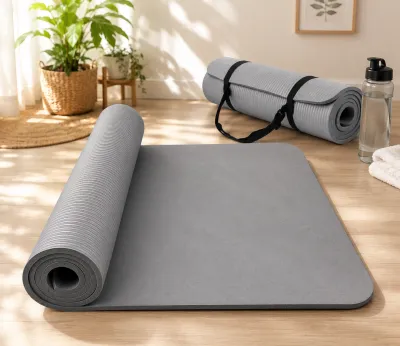
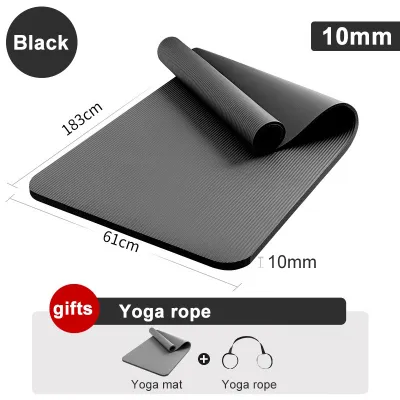
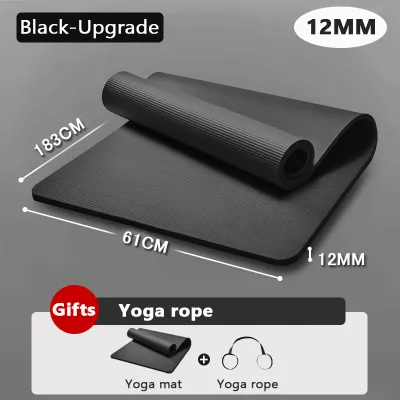
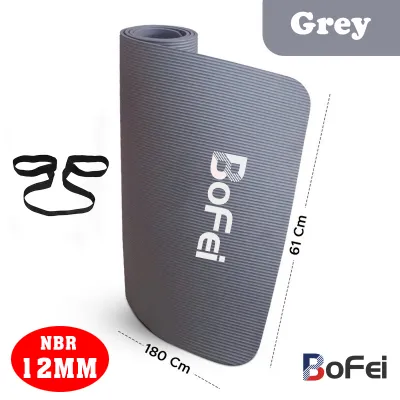

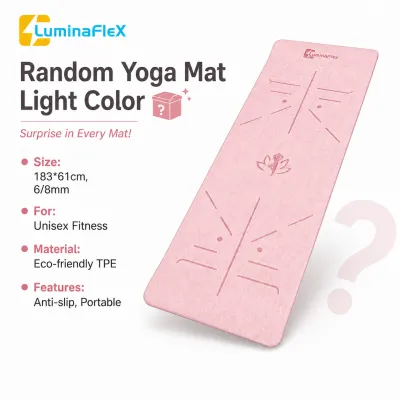
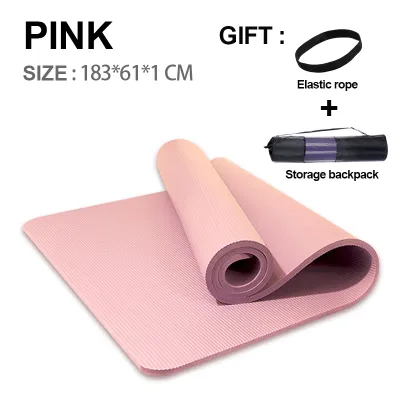
Prices are valid at publication and may change. Please refer to the product page for the latest price.
Matching Mat Thickness to Your Workout Intensity and Type
Workout mats generally range from ultra-thin travel options to extra-thick foam pads. Understanding how these different categories perform under various workout intensities helps you select the right tool for your routine.

6mm to 8mm: Stability for Flow and Balance
Mats in the 6mm to 8mm range are widely considered the standard for dynamic practices. This thickness offers a practical middle ground, providing enough cushioning to protect your knees during lunges while keeping you close enough to the floor to maintain balance. It is highly suitable for active flows, vinyasa, and light bodyweight exercises where quick transitions are common.
Because these mats do not compress excessively, they keep your ankles stable during standing poses like the warrior or tree pose. You can press firmly into the ground without feeling like you are sinking into a soft cushion. This stability is essential for preventing slips and maintaining proper alignment throughout your session.
However, if you have highly sensitive joints or are practicing on a very hard tile floor, this standard thickness might still feel a bit firm during extended floor work. In these cases, you may need to place a folded towel or a small foam pad under your knees for extra comfort during specific poses.
10mm to 15mm: Maximum Cushioning for Floor and Restorative Work
When your routine consists primarily of floor-based exercises, a thick yoga mat for workout sessions in the 10mm to 15mm range is highly beneficial. This extra cushioning is designed for restorative practices, Pilates, core workouts, and physical therapy exercises where you spend most of your time on your back, knees, or stomach. The thick foam acts as a protective barrier against hard surfaces, which is especially helpful in tropical climates where tiled floors are common.
For individuals recovering from joint discomfort or those who experience pain during kneeling postures, these extra-thick mats provide the necessary relief. They allow you to focus on your form and breathing rather than the discomfort of a hard floor pressing against your bones.
Despite these comfort benefits, you should avoid using a 10mm to 15mm mat for standing balance poses. The thick, soft material creates a sinking effect that can compromise your ankle stability and increase the risk of losing your balance. If your routine combines both floor work and standing poses, a high-density mat at the lower end of this range is usually a safer choice.
Evaluating Material Density and Grip in Thick Mats
Thickness alone does not guarantee a supportive workout experience; you must also evaluate the density of the material. A cheap, low-density 15mm mat may bottom out completely under your knees, offering less actual protection than a high-density 8mm mat. Checking the material composition—such as dense polyurethane, natural rubber, or high-quality thermoplastic elastomer (TPE)—helps ensure the mat maintains its shape under pressure.
Grip is another critical factor, especially in humid environments where sweat can quickly make a smooth surface slippery. Look for mats with textured surfaces or open-cell structures that help maintain traction even when wet. Before purchasing, check the manufacturer’s specifications for weight limits, compression ratings, and material density to ensure the mat can support your body weight without flattening out.
Practical Checks Before Buying a Thick Workout Mat
Before finalizing your purchase from an online marketplace or local sports store, there are several practical checks you can perform. If you are shopping in person, try testing the mat barefoot by standing on one leg to see if your ankle wobbles excessively. If you are buying online, read user reviews specifically focusing on how much the mat compresses under pressure.
You should also consider the mat’s weight and portability, especially if you plan to carry it to a local gym or studio. Extra-thick mats can be bulky and heavy, requiring a sturdy carrying strap or bag. Finally, verify the seller’s return policy so you can exchange the mat if the thickness feels too unstable for your specific workout routine.
Frequently Asked Questions (FAQ)
Can I use a 15mm yoga mat for high-intensity interval training (HIIT)?
Using a 15mm mat for high-intensity interval training is generally not recommended due to safety risks. The thick, soft foam can cause your ankles to roll during rapid lateral movements, jumps, or quick directional changes. Additionally, the soft surface absorbs energy, which reduces your power transfer and can make explosive movements more tiring and less stable. For HIIT, a thinner, high-density exercise mat or wearing supportive athletic footwear on a firm surface is a safer option.
How do I clean and maintain a thick yoga mat?
To clean a thick yoga mat, always check the manufacturer’s care label first for specific instructions and approved cleaning agents. Generally, you should wipe the surface with a damp cloth and a mild, diluted soap solution, then allow it to air-dry completely flat. Avoid soaking the mat, machine washing it, or exposing it to direct sunlight, as excessive moisture and heat can trap bacteria inside the thick foam or cause the material to break down prematurely.

Community discussion
Share your experience or ask a question. Comments are reviewed before publication.