
Selecting the right badminton shuttlecock is a decision that directly shapes your performance, technique development, and overall enjoyment on the court. While both feather and nylon options serve distinct purposes, your choice ultimately hinges on your current skill level, playing environment, and budget. Feather shuttlecocks are the standard for competitive play, offering high flight precision and tactile feedback, whereas nylon alternatives provide exceptional durability and cost-efficiency for recreational sessions.
Understanding the Core Differences: Feather vs Nylon Construction
To make an informed choice, you must first understand how these two types of shuttlecocks are built. Traditional feather shuttlecocks are crafted using natural goose or duck feathers, which are meticulously anchored into a composite or natural cork base. This natural structure creates a unique aerodynamic drag, allowing the shuttlecock to fly fast initially and then decelerate predictably at the end of its trajectory. The natural feathers are bound together with thin thread and adhesive, creating a delicate but highly aerodynamic cone.
In contrast, nylon shuttlecocks feature a synthetic skirt designed to mimic the shape of natural feathers, paired with either a foam or synthetic rubber base. While this synthetic construction is highly resilient, it behaves differently in the air, often maintaining a more constant speed throughout its flight path rather than experiencing the sharp deceleration characteristic of natural feathers. When shopping, always check the manufacturer’s packaging labels and product descriptions to verify the exact material composition, grade indicators, and speed ratings—often indicated by specific numbers or color-coded bands—suitable for your local playing conditions.
Products mentioned in this guide
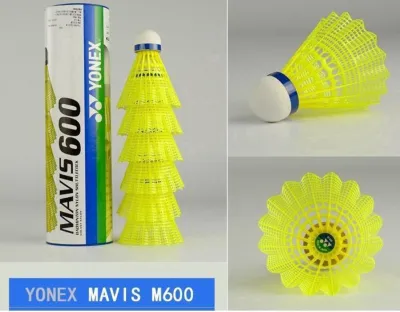
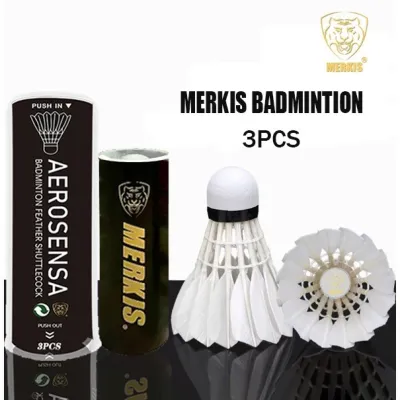
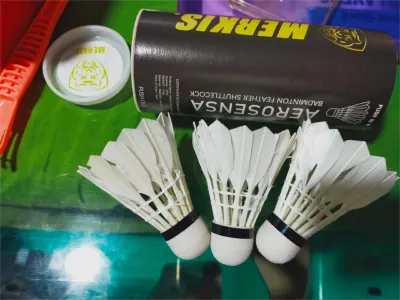
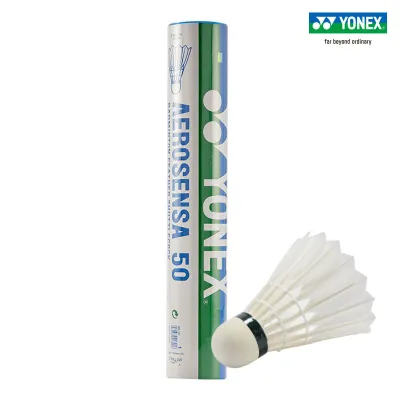
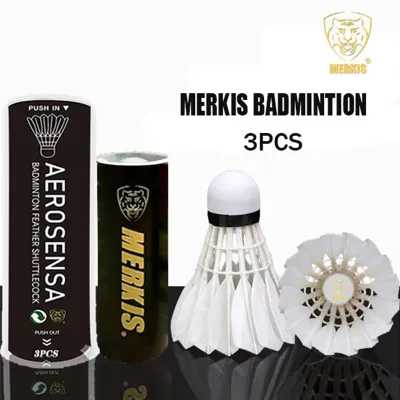
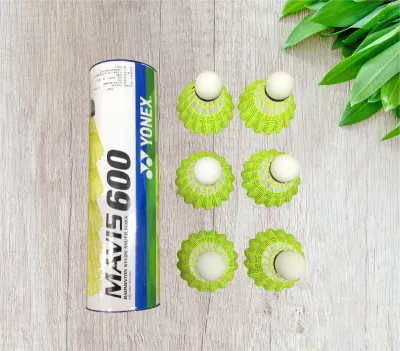
Prices are valid at publication and may change. Please refer to the product page for the latest price.
Matching Shuttlecock Type to Your Skill Level and Play Style
Your proficiency on the court dictates which shuttlecock design will best support your development. Advanced and competitive players typically require the precise flight dynamics of natural feathers to execute advanced techniques. If your game relies on tight net play, deceptive drop shots, and sharp smashes, the aerodynamic deceleration of a feather shuttlecock is essential for executing these high-precision maneuvers. The tactile feedback through the racket stringbed allows for minute adjustments during delicate net exchanges.

Beginners and recreational players, on the other hand, often benefit from the forgiving nature of nylon shuttlecocks. When you are still mastering basic clears and consistent contact, the stable, predictable flight of a synthetic skirt helps you focus on footwork and racket swing without the frustration of rapid equipment degradation. Intermediate players transitioning between levels may choose to use nylon shuttlecocks for high-repetition drills to build muscle memory, while reserving feather shuttlecocks for match play to refine their touch.
To determine which type aligns with your current play style, consider the following self-assessment checklist:
- Rally Patterns: Are your rallies characterized by high, basic clears, or do they involve complex, fast-paced net exchanges and steep angles?
- Shot Variety: Do you regularly employ slices, spins, and tight drops that require immediate aerodynamic response?
- Impact Consistency: Do you consistently hit the sweet spot of your racket, or do you frequently mis-hit shots near the frame, which can instantly break natural feathers?
Durability, Flight Stability, and Playing Conditions
Environmental factors and court types play a massive role in how a shuttlecock performs over time. In the Philippines, the tropical climate brings high humidity and warm temperatures, which naturally affect how shuttlecocks behave. High humidity can make natural feathers slightly heavier and slower, while dry, air-conditioned indoor courts can make them brittle and prone to premature cracking. To counter this, many players refer to product care labels for specific humidification techniques, such as lightly steaming the feathers before a match to restore moisture and flexibility.
Nylon shuttlecocks demonstrate remarkable resilience when subjected to these environmental shifts. Whether you are playing on concrete outdoor courts, in local multi-purpose halls, or in non-climate-controlled indoor facilities, synthetic skirts maintain their shape and flight consistency far better than natural feathers. Furthermore, because outdoor play often introduces wind interference, the slightly different weight distribution of a nylon shuttlecock can sometimes offer a more predictable path in breezy conditions compared to lightweight, wind-sensitive feathers.
Regardless of the material you choose, you must monitor physical wear during play. Inspect your shuttlecock regularly for broken feathers, bent shafts, or deformed nylon skirts. You should establish a strict stop condition: if the shuttlecock exhibits visible structural damage that causes it to wobble, veer off-course, or decelerate unpredictably, replace it immediately to prevent developing poor swing habits or risking shoulder strain.
Budget and Cost-Per-Game Analysis
While performance is critical, the financial aspect of badminton gear is a major deciding factor for most players. Natural feather shuttlecocks generally carry a higher upfront cost per tube in ₱, and a single shuttlecock may only last for one or two intense games before requiring replacement. For high-frequency players who train multiple times a week, this can lead to a substantial monthly expense.
Nylon shuttlecocks offer a much lower cost-per-game due to their extended lifespan. A single high-quality nylon shuttlecock can often endure multiple sessions of intense training or casual social play without losing its basic structural integrity.
To estimate your long-term investment, calculate your typical replacement rate. If you are hosting casual weekend rallies with family, a single tube of nylon shuttlecocks can easily last for months. However, if you are preparing for competitive club play, budgeting for regular tubes of feather shuttlecocks is a necessary investment to ensure your training matches tournament conditions.
Decision Framework: Which Yonex Shuttlecock Should You Buy?
To finalize your purchase, match your specific playing scenario against these clear guidelines:
- Choose feather if: You participate in competitive club matches, prioritize authentic flight paths and delicate net control, play exclusively on indoor courts, and have the budget to support frequent replacements.
- Choose nylon if: You are a beginner or casual player, practice primarily on outdoor or non-climate-controlled courts, and prioritize long-term durability and cost-efficiency.
- Verify first if: You are currently transitioning between skill levels, purchasing gear for a mixed-ability social group, or preparing for a local tournament that mandates specific shuttlecock regulations. Always check the event guidelines or consult with your local sports club before committing to a bulk purchase.
Frequently Asked Questions (FAQ)
Can I use nylon shuttlecocks for official badminton tournaments?
Official and sanctioned badminton tournaments almost universally mandate the use of natural feather shuttlecocks to ensure standardized flight dynamics and fair competition. If you are training for an upcoming event, it is highly recommended to practice with the exact type of shuttlecock specified in the tournament guidelines. Always verify the official rulebook or consult the organizing committee before purchasing your gear.
How should I store feather shuttlecocks to maintain their condition?
To maximize the lifespan of natural feather shuttlecocks, store them vertically in their original protective tubes with the caps securely fastened. Keep the tubes in a cool, dry place away from direct sunlight and extreme heat, which can dry out the natural oils in the feathers and make them brittle. For specific humidification instructions or recommended storage temperatures, always consult the manufacturer’s packaging or official product care guidelines.

Community discussion
Share your experience or ask a question. Comments are reviewed before publication.